Oltului Valley Area accommodation in guesthouses, villas and hotels
Oltului Valley Area
The Olt Valley, one of the most spectacular regions in Romania, is a true tourist axis that traverses Muntenia and Transylvania, connecting the southern part of the country with its center. With remarkable strategic, historical, and cultural importance, the Olt Valley offers breathtaking landscapes, renowned spa resorts, centuries-old monasteries, and an increasingly well-developed tourism infrastructure. This article proposes a detailed journey through the beauties and values of this unique Romanian region.
The Gateway Between Muntenia and Transylvania
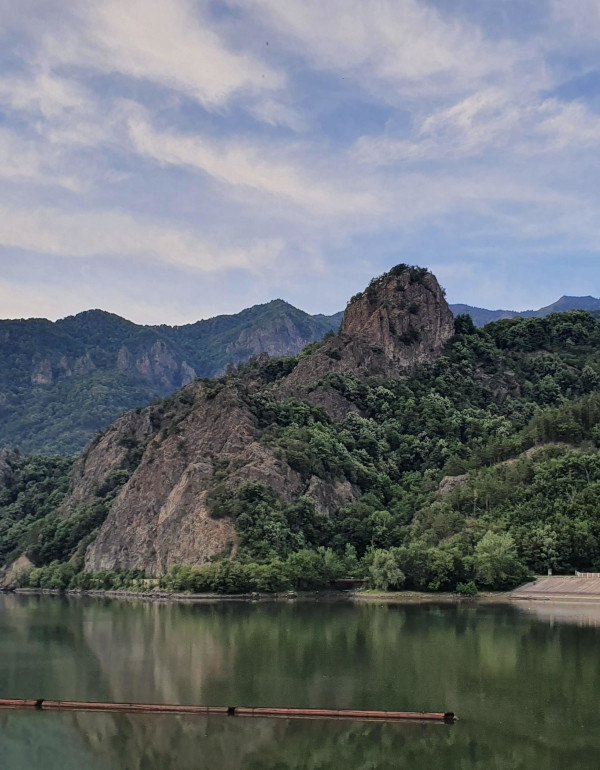
The Olt Valley represents one of the oldest and most important transit corridors through the Carpathians, linking the south of the country with the center. The Olt River cuts through the Southern Carpathians in a spectacular valley stretching from Turnu Roșu (Sibiu County) to Călimănești-Căciulata (Vâlcea County).
This route is crossed by DN7 (E81), one of the busiest roads in Romania, as well as by the railway, making it a vital transit point for transportation and domestic tourism.
Accommodation and Hospitality in the Olt Valley
The Olt Valley offers a wide range of accommodation options, from rustic guesthouses to four-star hotels, catering to diverse tourist needs. The spa resorts of Călimănești-Căciulata, Băile Govora, and Băile Olănești are renowned for their treatment and relaxation centers.
Hotels such as "Cozia" and "Oltul" in Căciulata, recently renovated, offer modern services, access to thermal baths, indoor pools, and spas. Guesthouses in the Brezoi or Săliștea Sibiului area, with traditional Romanian decor, are ideal for those seeking peace and fresh air.
Along the route, you can also find mountain cabins, campsites, and tourist villas, especially near protected natural areas, offering a wide array of options for nature and adventure lovers.
Must-See Tourist Attractions
The Olt Valley is a land rich in tourist attractions. Among the most important are:
Cozia Monastery: Located on the banks of the Olt River near Căciulata, it is one of the most significant foundations of Mircea the Elder. With Brâncovenesc architecture and well-preserved frescoes, it is a symbol of Romanian Orthodoxy.
Olt Gorge (Defileul Oltului): A rare natural beauty with steep cliffs and winding roads that delight every traveler. It is an ideal area for hiking, photography, and mountain sports.
Ruins of the Roman Fort Arutela: Located between Călimănești and Căciulata, they prove the region’s strategic importance since Roman times.
Trovants Museum in Costești: A spectacular geological phenomenon with "living stones" that mysteriously grow—an unparalleled curiosity in the world.
Brezoi: A town in the heart of Vâlcea, culturally significant especially due to the "Open Air Blues Festival Brezoi," which attracts visitors from all over Europe.
History and Spirituality
The Olt Valley is a space steeped in history. Dacians, Romans, Romanian rulers, medieval merchants, and modern armies have all traversed this essential route. Roman fortifications, medieval monasteries, and wooden churches bear witness to a historical continuity spanning millennia.
In addition to Cozia Monastery, other places of worship such as Turnu Monastery, Stănișoara Monastery, and Ostrov Hermitage host monastic communities and offer tourists the serenity and contemplation of a different world.
Regional Connections and Infrastructural Importance
The Olt Valley is part of the Pan-European Corridor IV, serving as an essential route connecting Bucharest, Pitești, Râmnicu Vâlcea, Sibiu, and further on to Cluj-Napoca or Alba Iulia.
The modernization of transportation infrastructure, including future highway projects (such as the Sibiu–Pitești Motorway), will strengthen the strategic position of the region and stimulate local tourism.
The cities near the Olt Valley each make significant contributions: Sibiu, with its medieval charm and cosmopolitan culture; Râmnicu Vâlcea, a growing urban center; Pitești, with its important economic role—all connected through the arteries of the Olt Valley.
Ecotourism and Recreational Activities
For nature enthusiasts, the Olt Valley offers countless hiking trails within a well-preserved natural environment. The natural parks in the Lotru, Căpățânii, and Cozia Mountains allow for the observation of the flora and fauna specific to the Southern Carpathians.
Ecological and adventure tourism is encouraged through activities such as hiking, mountain biking, rafting on the Olt River, sport fishing, and paragliding from mountain peaks.
Local Gastronomy
Another major attraction of the Olt Valley is its gastronomy. The local cuisine reflects both Transylvanian and Wallachian influences, with dishes like tripe soup, game stew, shepherd’s polenta with cheese (bulz ciobănesc), vine leaf rolls (sarmale), and homemade desserts.
Tourists can enjoy these dishes in guesthouse restaurants or at local markets, having the chance to experience the authentic hospitality of the region's inhabitants.
A Complete Destination
The Olt Valley is a complete destination, offering an ideal mix of nature, history, culture, relaxation, and adventure. Due to its strategic position, natural beauty, and diverse tourism offerings, the Olt Valley deserves increased attention from authorities and tourism investors.
It is a corner of Romania that impresses with its simplicity, authenticity, and unique energy, making a visit a memorable experience for any tourist, Romanian or foreign.