The Danube Delta Area accommodation in guesthouses, villas and hotels
The Danube Delta Area
It is one of Romania’s most fascinating tourist destinations and, at the same time, a unique corner of wild nature in Europe. With impressive biodiversity, fairytale landscapes, authentic fishing villages, and a peaceful atmosphere, this territory attracts tens of thousands of tourists from all over the world every year. Whether you are passionate about birdwatching, nature photography, local gastronomy, or simply seeking a few days of tranquility away from urban hustle, the Danube Delta has everything you need. For a complete experience, choosing the right accommodation in the Danube Delta is essential – whether you opt for a cozy guesthouse in an isolated village or a floating hotel on the channels. The accommodation options in the Danube Delta are increasingly diversified, catering to all tastes and budgets, making this area more and more accessible.
Where the Danube Delta is Located and How to Get There
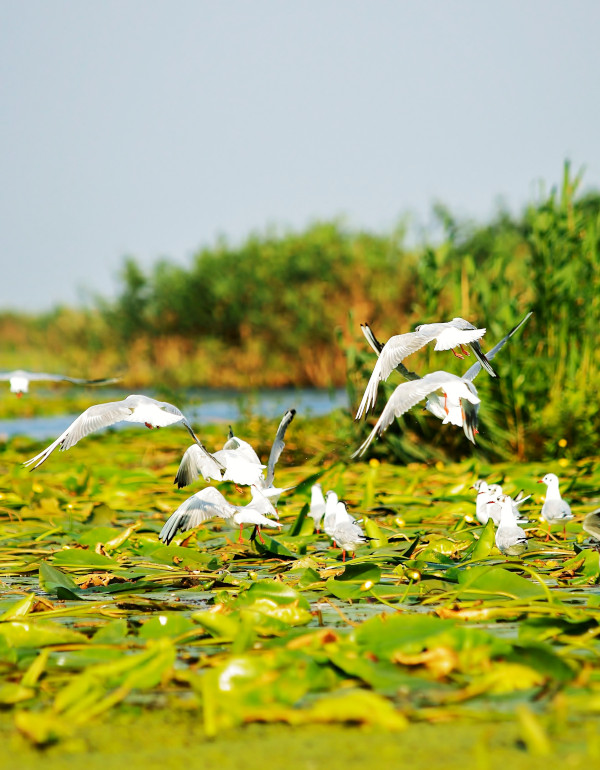
The Danube Delta is located in the eastern part of Romania, where the Danube River flows into the Black Sea, covering a large part of Tulcea County. It is the second-largest delta in Europe and the only one declared a biosphere reserve by UNESCO since 1991. It spans an area of approximately 5,800 square kilometers and is made up of an impressive maze of channels, lakes, floating islands, willow forests, and reed beds, as well as isolated villages accessible only by boat.
The main road access to the area is through the city of Tulcea, considered the gateway to the Delta. Tulcea is connected by national roads to major cities in the country, such as Bucharest, Constanța, Brăila, and Galați. National road DN22 (E87) is the main route used by tourists, and its condition is generally good, having been rehabilitated in several sections. From Tulcea, the journey typically continues by boat to the towns in the heart of the Delta.
Current Situation of Accommodation Units in the Danube Delta
In recent years, the offer of guesthouses in the Danube Delta and other types of accommodation has seen a significant increase. Tourists can choose from:
Floating hotels – a unique experience where accommodation is directly on the water, with the possibility of navigating the channels.
Traditional guesthouses – most are built in a fishing style, with thatched roofs and modern amenities.
Eco villas and holiday homes – more exclusive options, ideal for groups or families.
Campsites and glamping – for those who want a closer experience to nature but still with a minimum of comfort.
The quality of services has improved considerably, and many units offer complete tourist packages that include accommodation, traditional meals, boat trips, guiding, sport fishing, and birdwatching.
What are the Prices for Accommodation and Tourist Packages
Prices vary depending on the type of accommodation, location, and facilities. On average, the prices are:
3-star guesthouses – between 180 and 300 RON/night for a double room.
Floating hotels – between 300 and 600 RON/night, often with meals and excursions included.
Premium accommodations – villas or eco resorts, between 500 and 800 RON/night.
Tourist packages – usually, 3 days with full board and boat trips can cost between 900 and 1,500 RON/person, depending on the season.
In the off-season (April, May, October), many units offer significant discounts and promotional packages.
How Tourists Can Spend Their Free Time in the Danube Delta
The Danube Delta is a region offering various activities, especially for nature lovers, photographers, and those seeking relaxation. Some of the most popular activities include:
Boat trips – on the Danube channels, lakes, and reed areas, with or without a guide.
Birdwatching – The Delta is a paradise for ornithologists, with over 300 bird species, including pelicans, herons, spoonbills, egrets, and cormorants.
Sport fishing – a very popular hobby in the area, with many designated fishing spots.
Visits to traditional villages – authentic experiences in places like Mila 23, Crișan, or Sfântu Gheorghe.
Local gastronomy – tourists can participate in cooking fish borscht, learn traditional recipes, and taste fresh fish dishes.
Kayaking and canoeing – a peaceful and eco-friendly activity, increasingly popular with active tourists.
Photo tours or thematic tours – with guides specialized in nature, photography, or local history.
Tourist Attractions and Must-See Places in the Danube Delta
While the entire Delta is an attraction in itself, there are several points of interest worth mentioning:
Letea Forest – the northernmost subtropical forest in Europe, famous for wild horses and sand dunes.
Sulina Canal – a spectacular navigable route with stunning landscapes.
The city of Sulina – the easternmost city in Romania, with a fascinating history linked to the Danube European Commission and the multi-ethnic cemetery.
Roșca-Buhaiova Reserve – a protected area important for the breeding of the common pelican.
Mila 23 – a fishing village that has become a top tourist destination, known for its traditions and hospitality.
Sfântu Gheorghe – the place where the Danube flows into the Black Sea, ideal for wild beaches, walks, and local festivals.
Crișan – a starting point for various excursions into the Delta, with many accommodation options and activities.
Known Tourist Towns in the Danube Delta
The Danube Delta is not just a spectacular natural region, but also a populated area full of life, traditions, and cultural identity. Many of the towns in this area have become real tourist attractions in recent years, with tourists seeking accommodation in the Danube Delta and wanting to experience the authenticity of delta life.
Mila 23 is probably the most famous tourist village in the Delta. Located in the heart of the Delta and accessible only by water, Mila 23 is predominantly inhabited by Lipovan fishermen and is famous for the hospitality of the locals, traditional fish-based cuisine, and organized trips to the most spectacular nearby areas. Many guesthouses in the Danube Delta in this locality are run by local families, ensuring an authentic and personalized experience.
Sfântu Gheorghe is another emblematic destination, located right at the mouth of the Danube into the Black Sea. Besides its wild beach, one of the most beautiful in Romania, the village hosts cultural festivals every year, such as the Anonimul Film Festival, which brings cinephiles, artists, and tourists from all over the country into the heart of nature. During the season, demand for accommodation in the Danube Delta in this area is very high, especially for tourists wishing to combine relaxation with cultural events.
Crișan is another important point on the Delta map. Located on the Sulina branch, Crișan is a strategic departure point for most tourist routes. From here, trips can be organized to Letea Forest, Lake Lumina, or the secret channels of the inner Delta. The village offers a wide range of guesthouses in the Danube Delta, from simple accommodations to modern resorts, with their own restaurants and tourist programs included.
Chilia Veche, Periprava, Letea, Dunavățu de Jos, Murighiol, and Jurilovca are other locations worth mentioning, each with its own characteristics. Murighiol and Dunavățu de Jos, being accessible by road, are preferred by tourists looking for accommodation in the Danube Delta without needing to travel exclusively by water. These are ideal areas for families or seniors who want to explore the Delta in comfort.
Responsible Tourism and Impact on Local Communities
The development of tourism in the Danube Delta has had a significant impact on local communities. On one hand, the increase in the number of tourists has generated income and stimulated the local economy. Many residents have turned their homes into guesthouses, started offering water transport services, guided tours, or traditional gastronomy. This family-based tourism helps preserve the cultural identity of the Delta and strengthens the bond between people and nature.
On the other hand, if not managed correctly, tourism pressure can lead to ecological and socio-cultural imbalances. Therefore, it is extremely important for visitors to choose forms of accommodation in the Danube Delta that support sustainable tourism. Many guesthouses in the area use alternative energy sources, promote waste reduction, collaborate with local producers, and involve tourists in educational activities about the flora and fauna of the Delta.
Infrastructure Condition: Roads and Accessibility
Access to the Danube Delta can be challenging for many inexperienced tourists. Generally, the road to Tulcea is well-maintained. DN22 (E87), which connects Brăila, Galați, and Tulcea to Constanța, has been rehabilitated in several sections, and road access is easy, especially from the south of the country. There are also trains or bus services to Tulcea.
From Tulcea onwards, things change. Many of the towns in the actual Delta are not accessible by car. Transport is done by speedboat, passenger ships, or tourist boats. This isolation is part of the charm of the Delta but also requires good vacation planning. Fortunately, many accommodation units in the Danube Delta offer transfer services from Tulcea or other key points in the Delta, included in tourist packages.
Practical Tips for First-Time Visitors to the Danube Delta
Book your accommodation in advance, especially during peak season (May-September), when demand is high, and the best places fill up quickly.
Choose a guesthouse with its own boat or collaboration with local guides. Boat trips on the channels are essential to discover the beauty of the Delta.
Pack insect repellent, loose but long clothing for protection, and a sun hat. The Delta has a humid climate and dense vegetation.
Be prepared for weak or non-existent phone and internet signal. In some villages, there is no coverage, which can be a blessing for those wishing to disconnect.
Respect environmental protection rules – do not litter, do not disturb wildlife, and avoid buying illegal souvenirs (feathers, wild animals, etc.).
Experience local gastronomy – fish borscht cooked in a cauldron, plachia, storceag, fish roe, and other delicacies are an important part of the experience.
Why You Should Choose Accommodation in the Danube Delta for Your Next Vacation
The Danube Delta is a land where time seems to stand still, and nature speaks every moment. By choosing accommodation in the Danube Delta in a fishing village or a floating hotel, tourists have the chance to experience a rare European vacation – one where technology takes a step back, and simplicity becomes a luxury.
The beauty of the Delta lies not only in its landscapes but also in the people who live here, in the traditions carefully preserved, in the way a boat glides slowly among the water lilies, or in the peaceful flight of pelicans at sunset. It is a destination that deserves to be explored with patience, respect for nature, and the curiosity to discover a different Romania.
For those seeking an authentic escape with fresh air, spectacular landscapes, and unique activities, the Danube Delta is the perfect choice. And with an increasingly varied offer of guesthouses and adapted tourist services, planning your vacation becomes easier and easier. A place where every morning starts with the song of birds and every evening ends under a starry sky.